
Cold Weather Job Site Safety: PPE, Heaters, and Slip Prevention
When temperatures drop, injuries and downtime rise fast. This guide covers three areas that protect crews and keep jobs moving: cold-weather PPE, safe job site heaters, and slip prevention with ice control products.
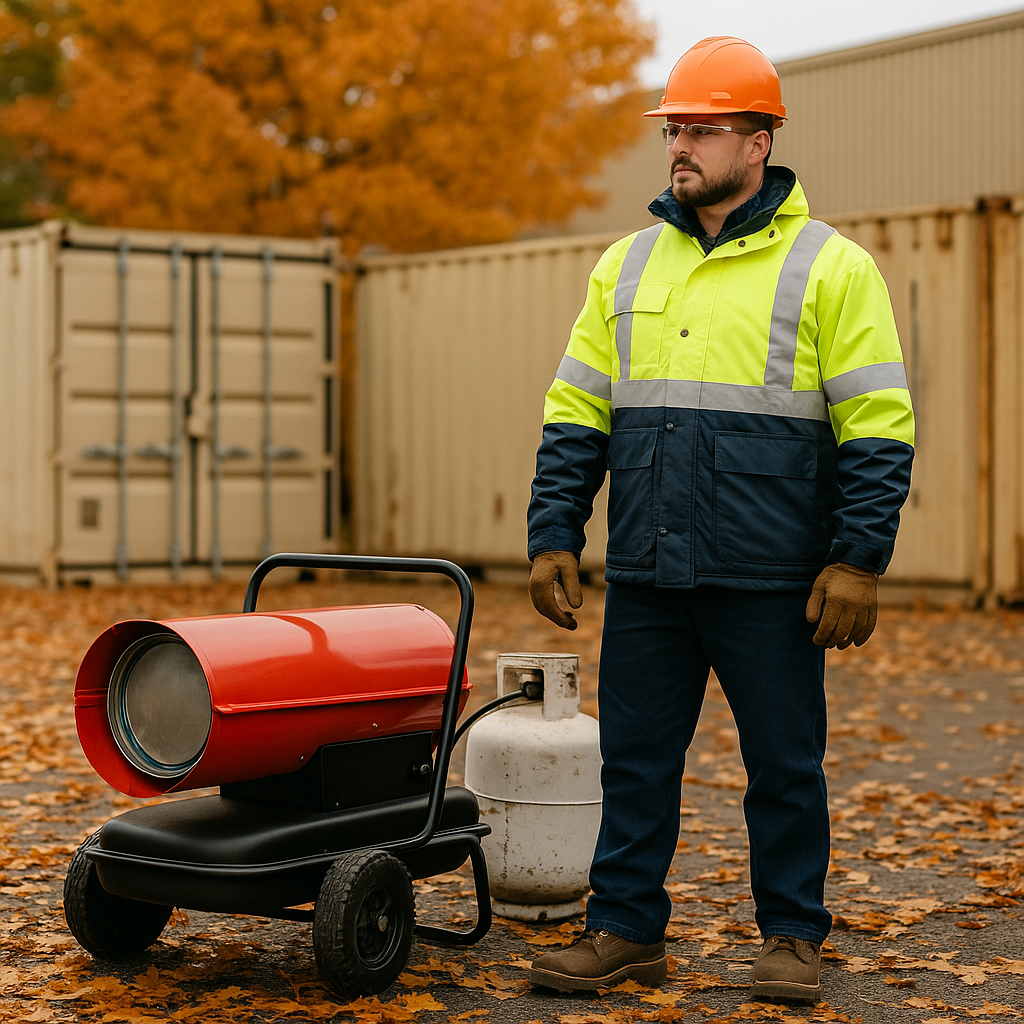
What PPE Do You Need for Cold Weather Job Sites?
Cold weather PPE is not just “more layers.” It’s protection that preserves dexterity, visibility, and grip while reducing fatigue. The right gear helps crews work safely without slowing down.
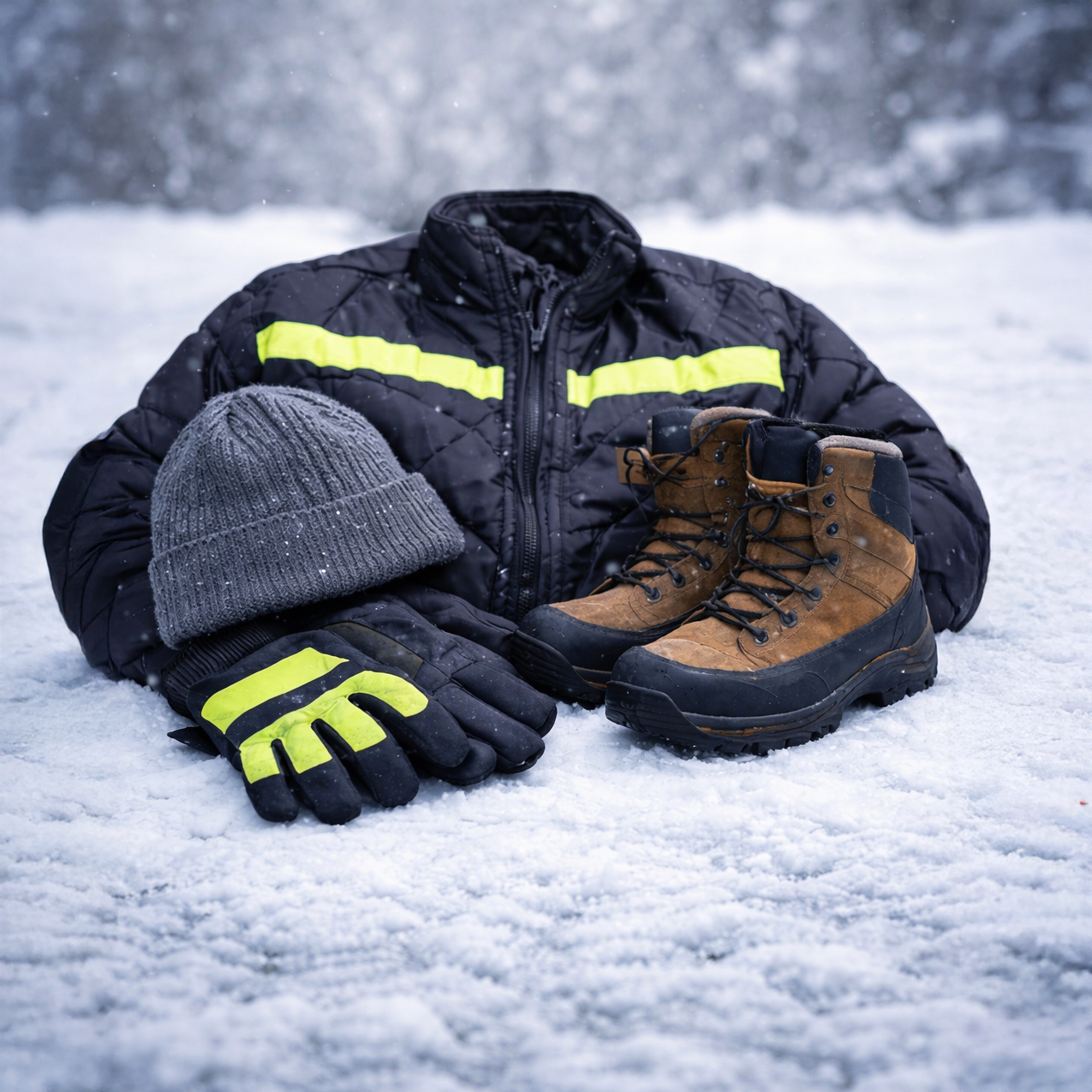
Must-have cold-weather PPE
- Insulated work gloves that balance warmth with tool control (and provide grip in wet conditions).
- Thermal liners for hands and headwear to help retain heat without bulk.
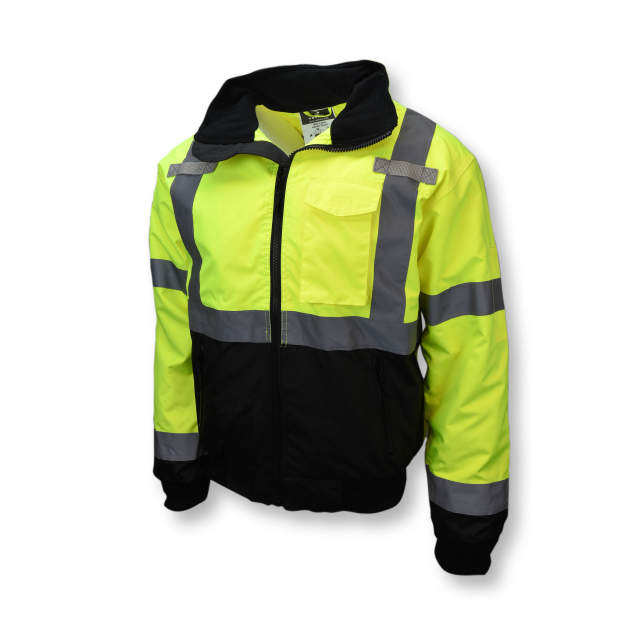
- High-visibility cold-weather outerwear for early mornings and winter overcast.
- Weather-resistant footwear with traction suited for wet concrete, ice, and packed snow.
- Eye protection for wind, debris, and changing light conditions.
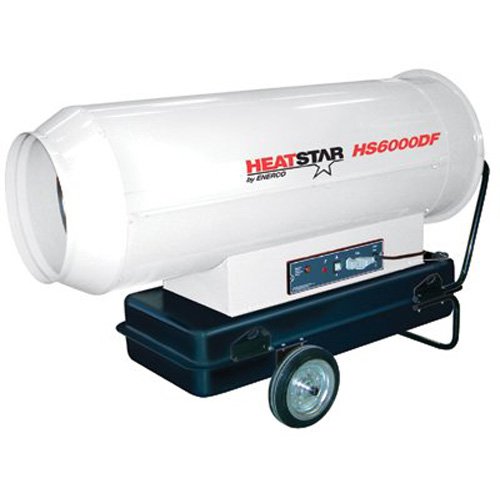
What Heater Is Safe to Use on a Job Site in Cold Weather?
Job site heating is about more than comfort. The right heater protects productivity, reduces cold-related fatigue, and helps maintain safer working conditions. The wrong heater can create ventilation hazards, fire risk, or simply underperform.
Job site heater safety basics
- Ventilation: Ensure adequate airflow, especially in enclosed or semi-enclosed spaces.
- Clearance: Maintain safe distances from combustible materials and walk paths.
- Fuel handling: Store fuel properly and follow manufacturer guidance for refueling and startup.
- Power load: For electric heaters, verify circuit capacity and extension cable ratings.
How to Prevent Slips and Falls on Icy Job Sites (Ice Control)
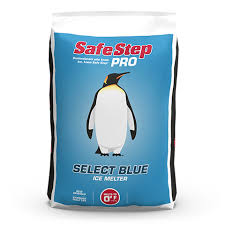
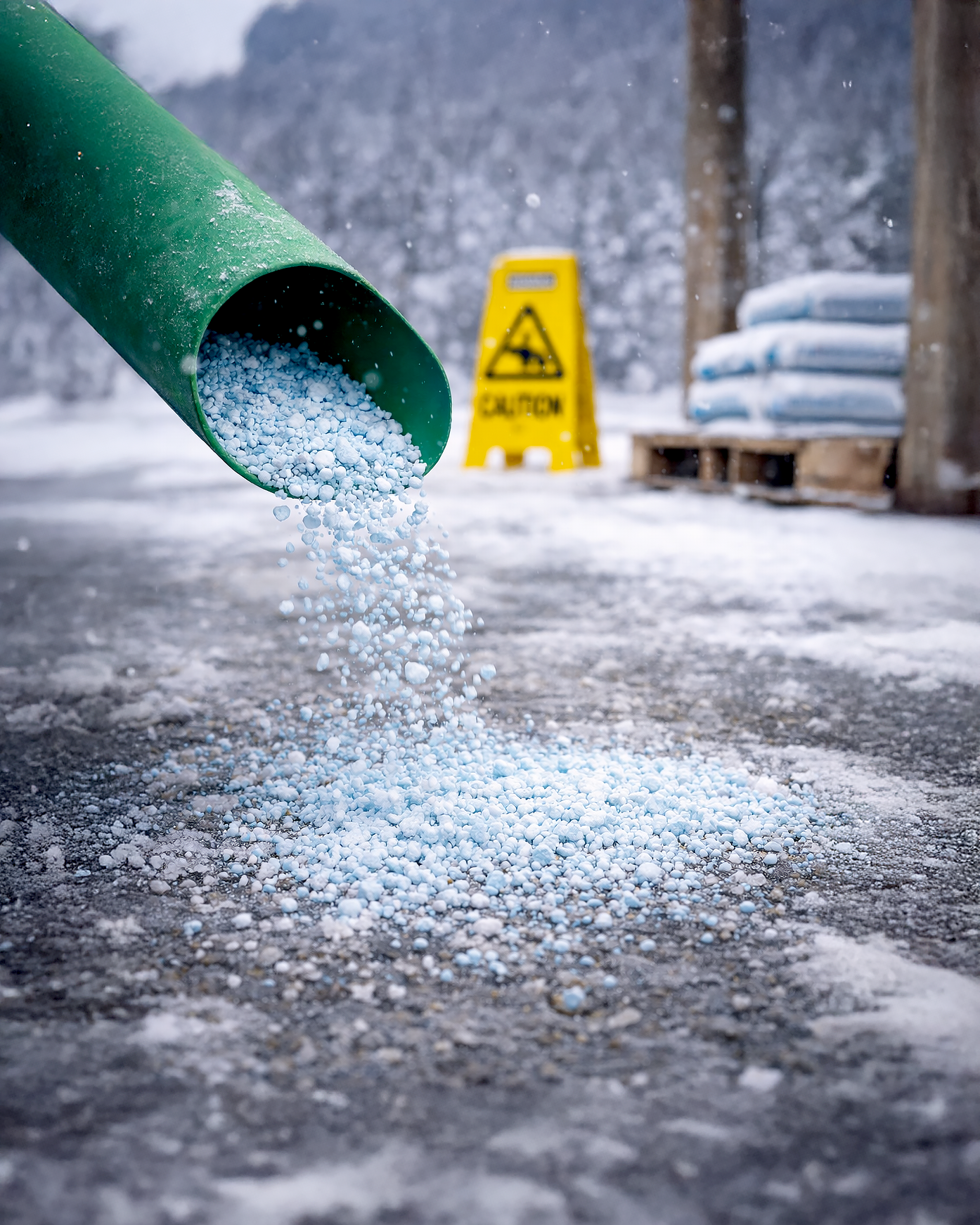
Winter slip incidents can shut down a job, trigger reports, and create avoidable injuries. The fix is simple: treat pathways early, keep traction consistent, and stock ice control products before the next cold snap.
Where ice control makes the biggest impact
- Entryways and sidewalks (first 30 feet matters most).
- Loading docks and ramp transitions.
- Temporary walk paths to trailers, conex boxes, and material staging areas.
- Forklift and pedestrian intersections where surface conditions change quickly.
Build a Cold Weather Safety Kit
Build your kit around three priorities: cold-weather PPE that keeps dexterity, a heater matched to the space safely, and ice control stocked for entrances, docks, and walk paths.
Cold Weather Job Site Safety: PPE, Heaters, and Slip Prevention
When temperatures drop, injuries and downtime rise fast. This guide covers three areas that protect crews and keep jobs moving: cold-weather PPE, safe job site heaters, and slip prevention with ice control products.
What PPE Do You Need for Cold Weather Job Sites?
Cold weather PPE is not just “more layers.” It’s protection that preserves dexterity, visibility, and grip while reducing fatigue. The right gear helps crews work safely without slowing down.
Must-have cold-weather PPE
- Insulated work gloves that balance warmth with tool control (and provide grip in wet conditions).
- Thermal liners for hands and headwear to help retain heat without bulk.
- High-visibility cold-weather outerwear for early mornings and winter overcast.
- Weather-resistant footwear with traction suited for wet concrete, ice, and packed snow.
- Eye protection for wind, debris, and changing light conditions.
What Heater Is Safe to Use on a Job Site in Cold Weather?
Job site heating is about more than comfort. The right heater protects productivity, reduces cold-related fatigue, and helps maintain safer working conditions. The wrong heater can create ventilation hazards, fire risk, or simply underperform.
Job site heater safety basics
- Ventilation: Ensure adequate airflow, especially in enclosed or semi-enclosed spaces.
- Clearance: Maintain safe distances from combustible materials and walk paths.
- Fuel handling: Store fuel properly and follow manufacturer guidance for refueling and startup.
- Power load: For electric heaters, verify circuit capacity and extension cable ratings.
How to Prevent Slips and Falls on Icy Job Sites (Ice Control)
Winter slip incidents can shut down a job, trigger reports, and create avoidable injuries. The fix is simple: treat pathways early, keep traction consistent, and stock ice control products before the next cold snap.
Where ice control makes the biggest impact
- Entryways and sidewalks (first 30 feet matters most).
- Loading docks and ramp transitions.
- Temporary walk paths to trailers, conex boxes, and material staging areas.
- Forklift and pedestrian intersections where surface conditions change quickly.
Build a Cold Weather Safety Kit
Build your kit around three priorities: cold-weather PPE that keeps dexterity, a heater matched to the space safely, and ice control stocked for entrances, docks, and walk paths.